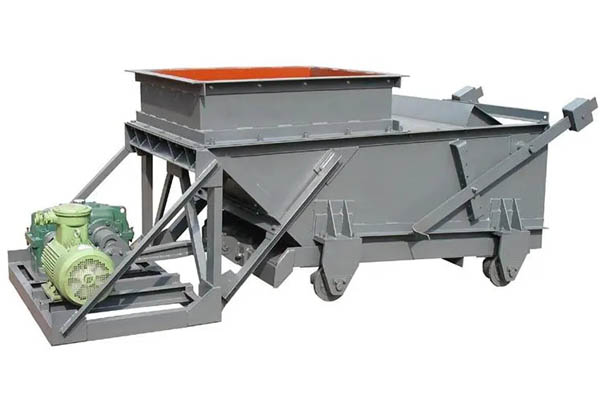
Reciprocating Feeder :Working Principle & Top 4 Characteristics
Reciprocating feeder, also known as pendulum feeder, is a commonly used feeding equipment in coal mine transportation and coal preparation systems.
Reciprocating feeder, also known as pendulum feeder, is a commonly used feeding equipment in coal mine transportation and coal preparation systems.
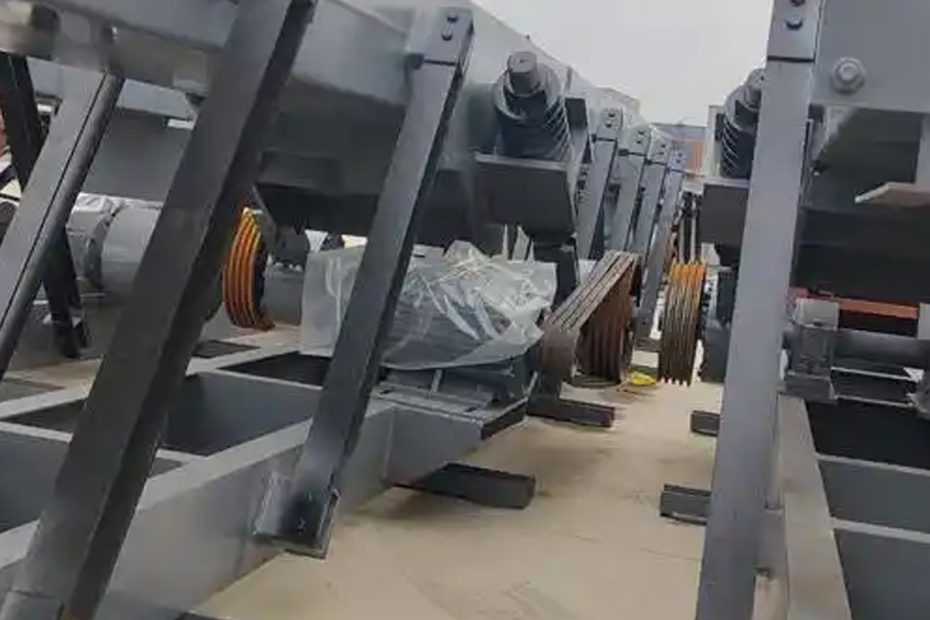
Dual-mass connecting rod vibrating conveyor has the advantages of simple structure, easy installation and maintenance, low energy consumption, no dust dispersion, small trough wear and low noise.
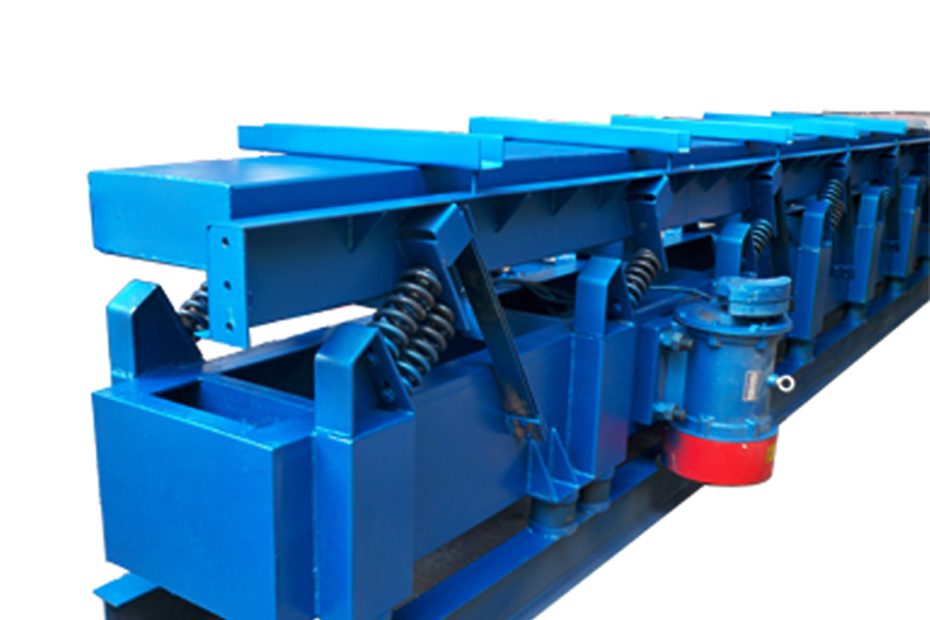
Vibrating conveyors are mainly used to transport loose bulk or granular materials in horizontal or small inclination conditions, and can also transport powdered materials with a particle size of no more than 74μm. This model can be widely used for conveying powdered and granular materials in industries such as metallurgy, coal, building materials, chemicals, glass, electricity, machinery, and grain.
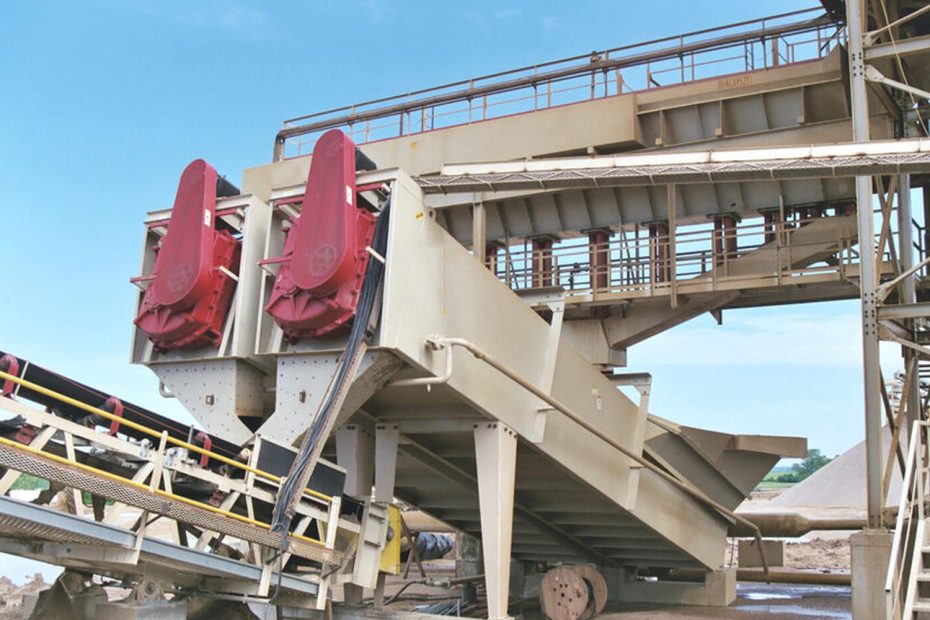
Vibrating feeder is a device that uses the principle of vibration to feed materials. It has the advantages of high output, low energy consumption, small size, simple structure, easy maintenance and repair, and easy automatic control.
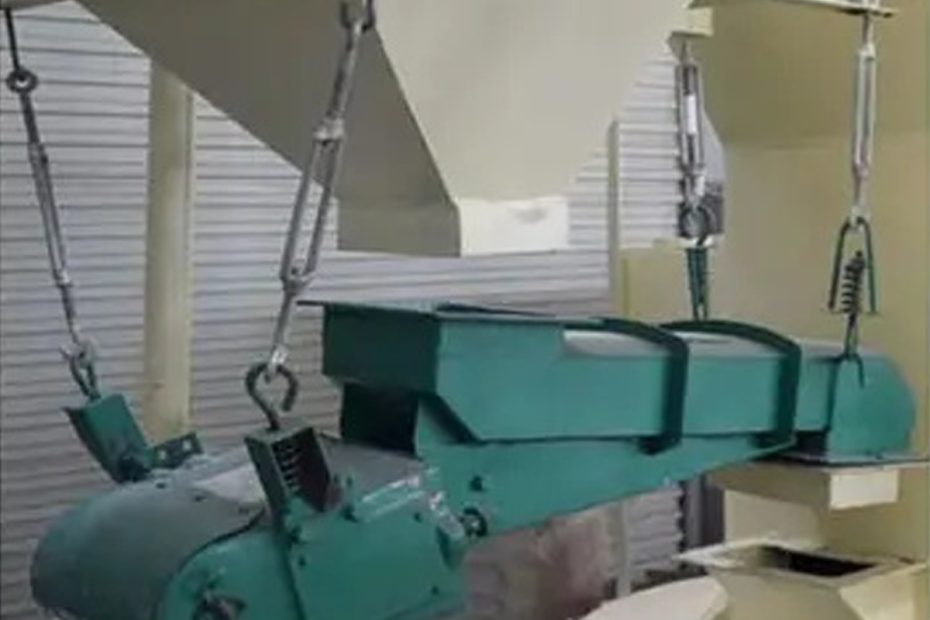
The electromagnetic vibrating feeder is used to evenly or quantitatively supply materials from the storage bin or other storage equipment to the receiving equipment. It is an essential equipment for the automation of assembly line operations. The electromagnetic vibrating feeder has a simple structure, is easy to operate, does not require lubrication, and consumes little power.
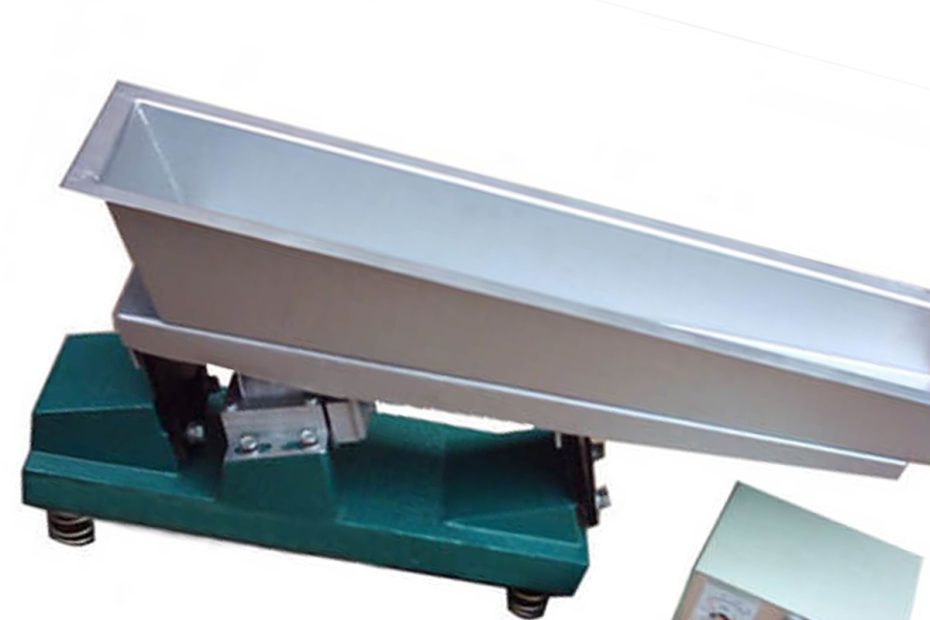
The exciter of the micro electromagnetic vibrating feeder is composed of a spiral tube type electromagnet composed of an iron core, an armature and an electromagnetic coil.
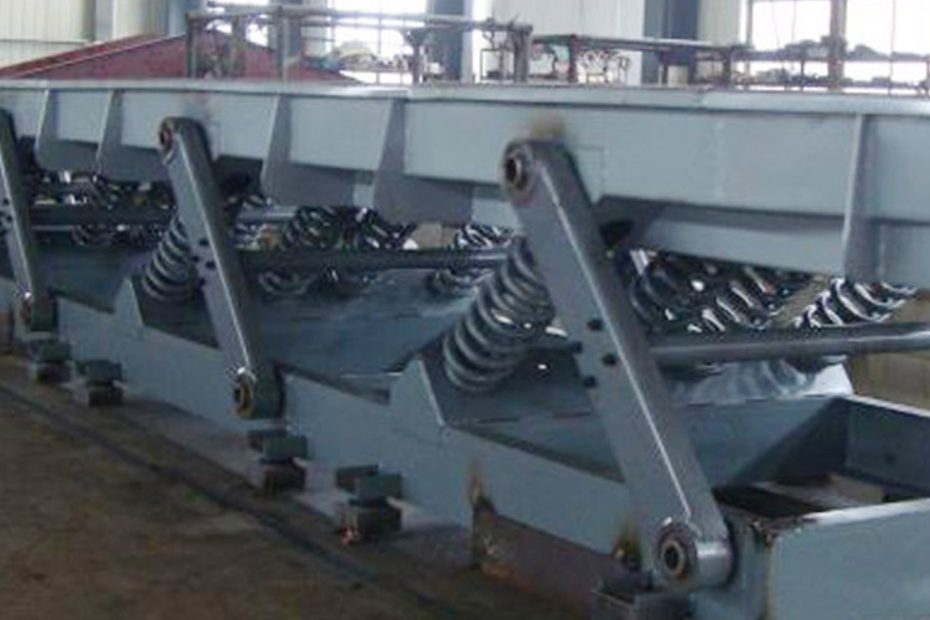
Inertial vibrating conveyors mainly use vibration motors as driving sources, and use the vibration of the material trough to quickly convey the materials in the material trough from the inlet to the outlet.
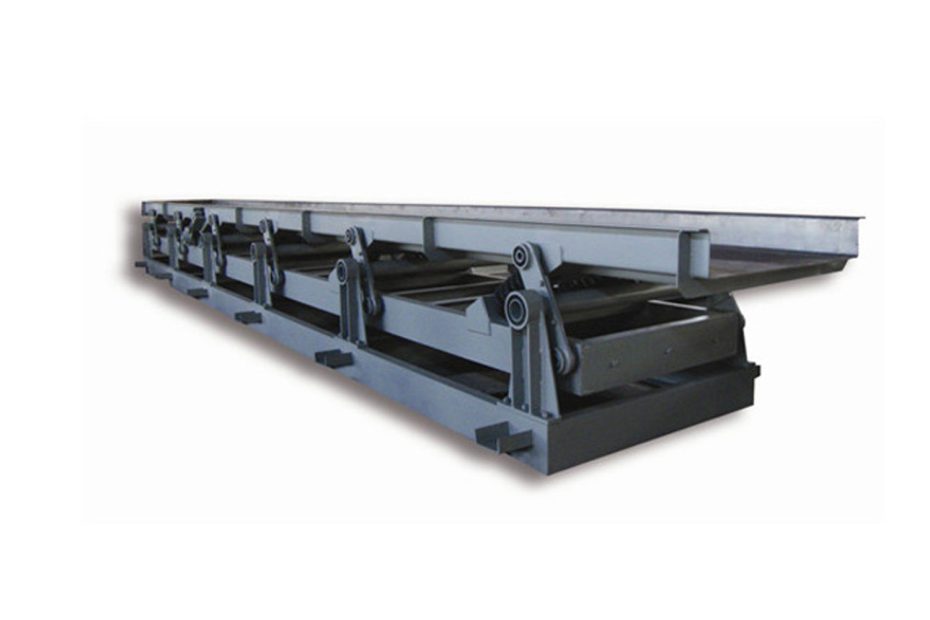
Inertial vibration conveyors are a type of reliable vibration conveying system with the advantages of simple structure, light weight, low noise, reliable operation, no dust pollution, and easy installation and maintenance. They have been widely used in metallurgy, mining, coal, building materials, chemicals, grain, glass, ceramics and other industries.
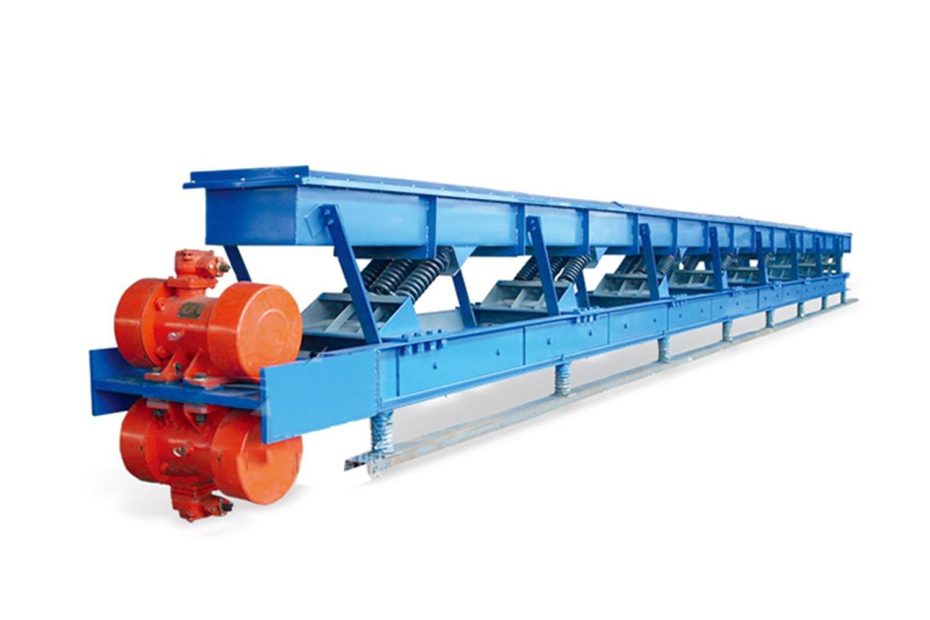
The vibrating conveyor is mainly composed of load-bearing components, elastic elements, and exciters. This model has the advantages of simple structure, easy installation and maintenance, low energy consumption, no dust spillage, and low noise.

Electromagnetic vibrating feeders are a relatively complete elastic system of dual-mass directional forced vibration.