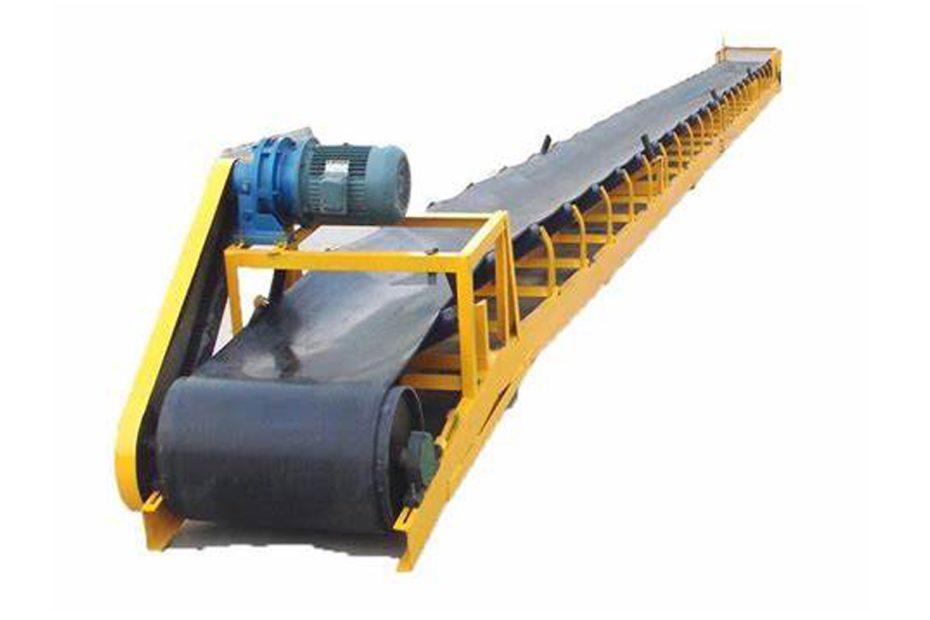
Three advantages and disadvantages of mobile belt conveyor
The mobile belt conveyor has higher flexibility and sustainability, and can exert higher efficiency in a specific production environment.
The mobile belt conveyor has higher flexibility and sustainability, and can exert higher efficiency in a specific production environment.
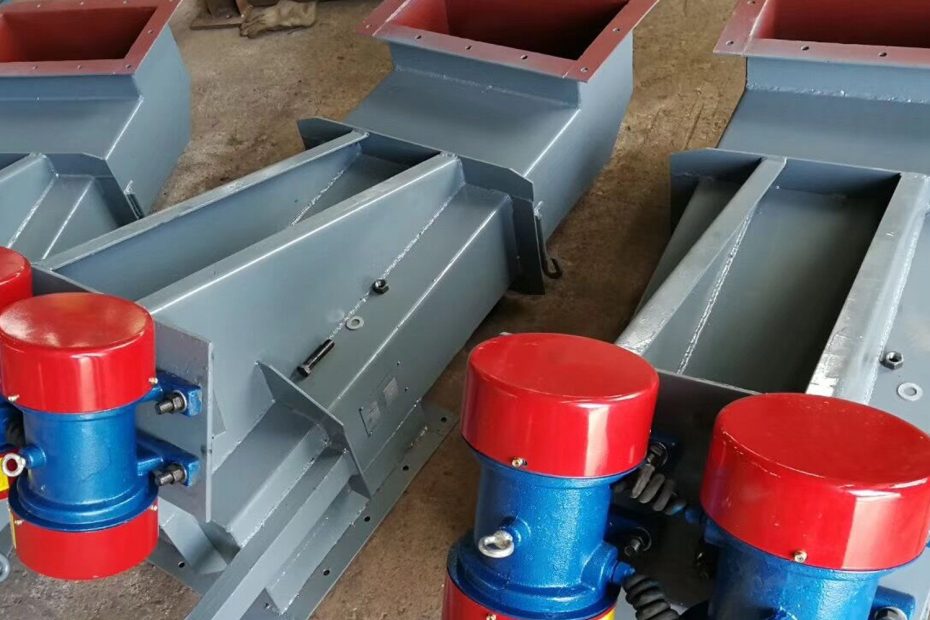
In the symphony of material handling, motor vibrating feeders emerge as virtuoso performers, orchestrating the seamless flow of diverse materials.
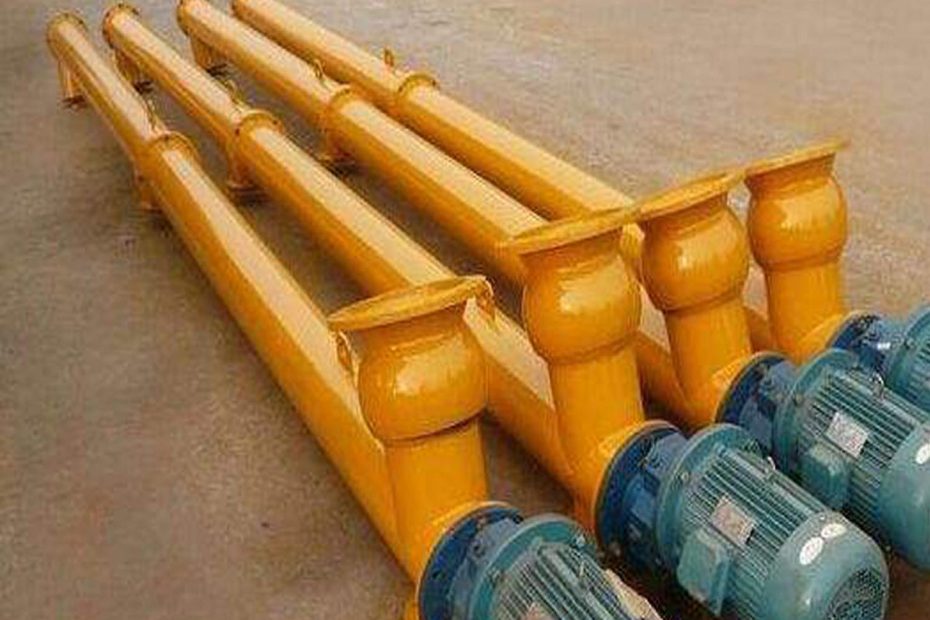
The double-shaft screw conveyor has the advantages of large conveying capacity, high conveying efficiency, various conveying directions, good sealing, good working stability and convenient maintenance.
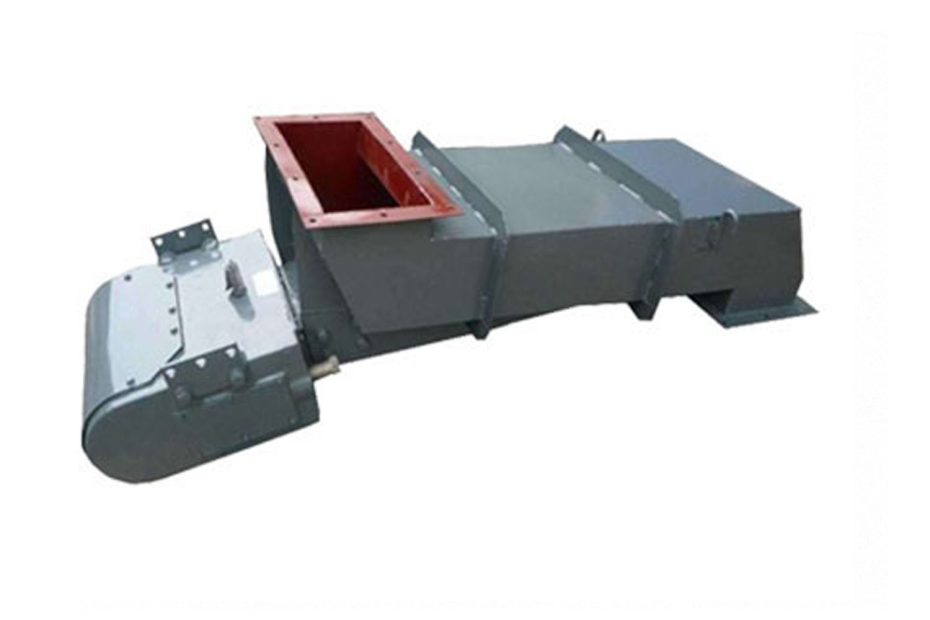
Addressing common problems in the application of electromagnetic vibrating feeders involves a combination of proper initial setup, troubleshooting techniques, and consistent maintenance.
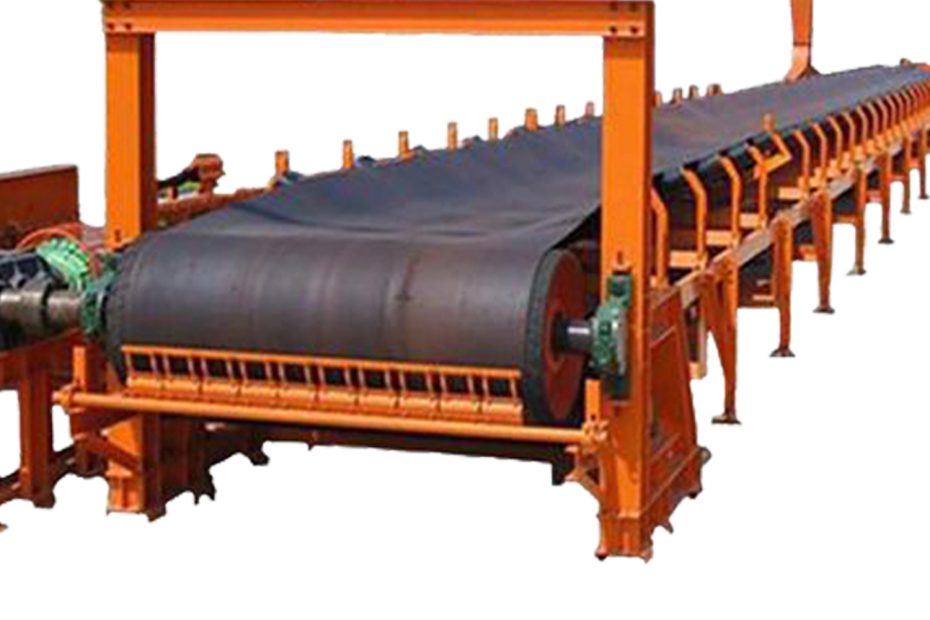
The mobile belt conveyor is suitable for the transportation of materials with short distances and small spans, and even the occasions where the direction and position of the transportation are changed arbitrarily.
Motor vibrating feeders are widely used in various industries such as mining, metallurgy, coal, thermal power, refractory, glass, building materials, light industry, chemical industry, machinery, and food.
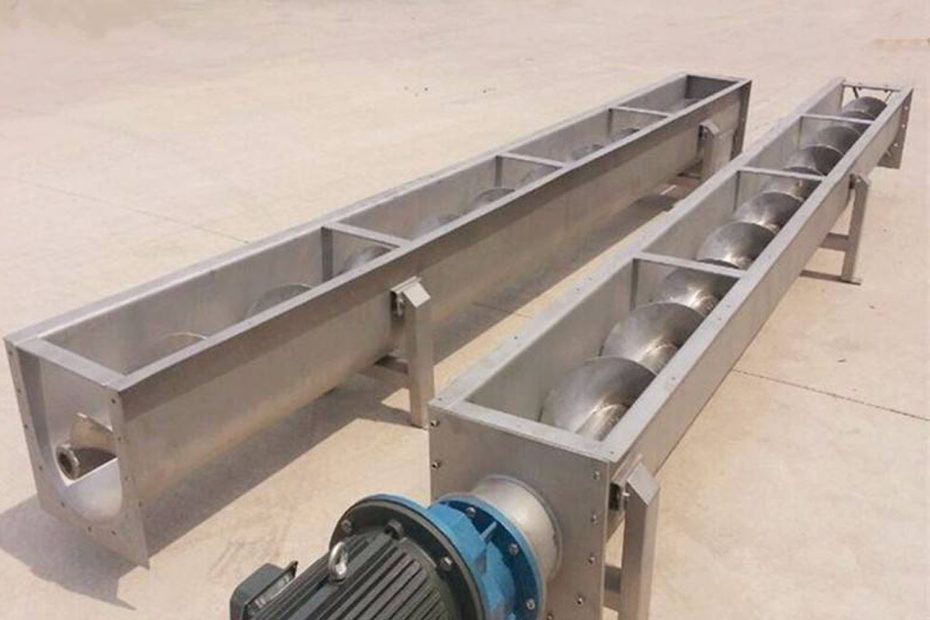
Screw conveyors have a variety of classifications, which can meet the material transportation needs of multiple industries.
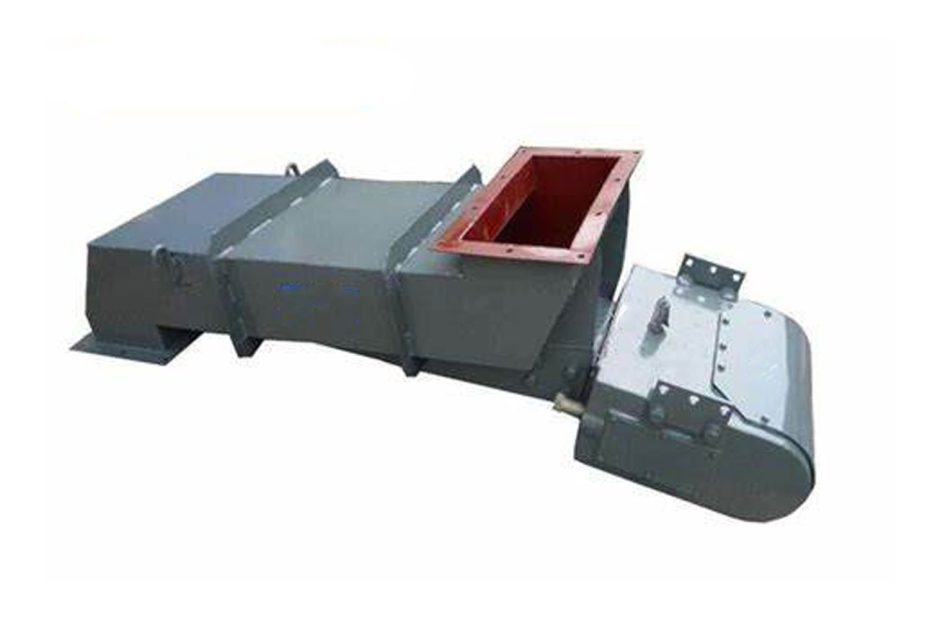
Electromagnetic vibrating feeders play a crucial role in various industrial processes, but they can encounter common problems.
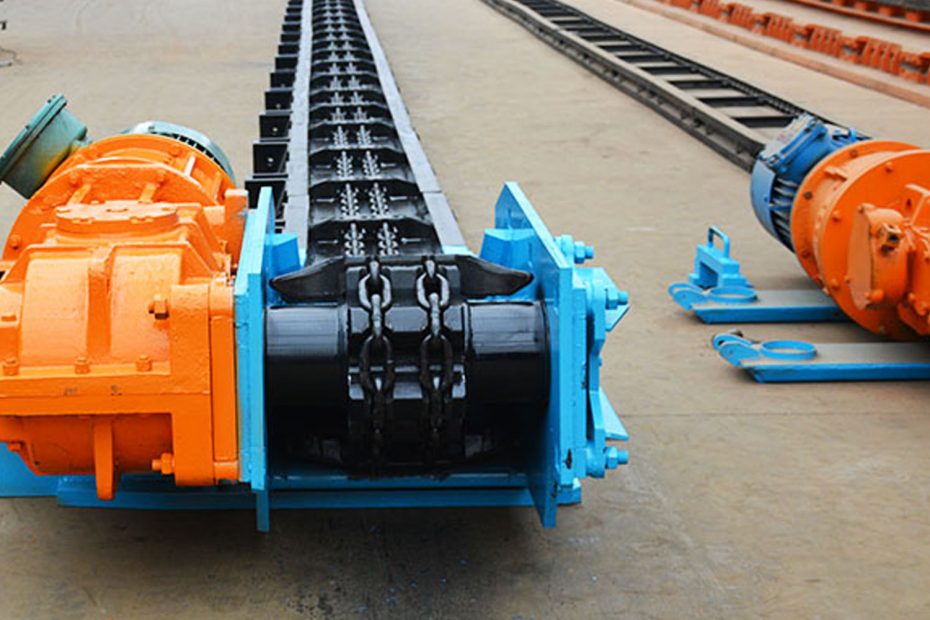
During the use of the scraper conveyor, attention should be paid to the safety of the equipment, regular maintenance and replacement of parts are required to ensure the normal operation and working efficiency of the equipment.
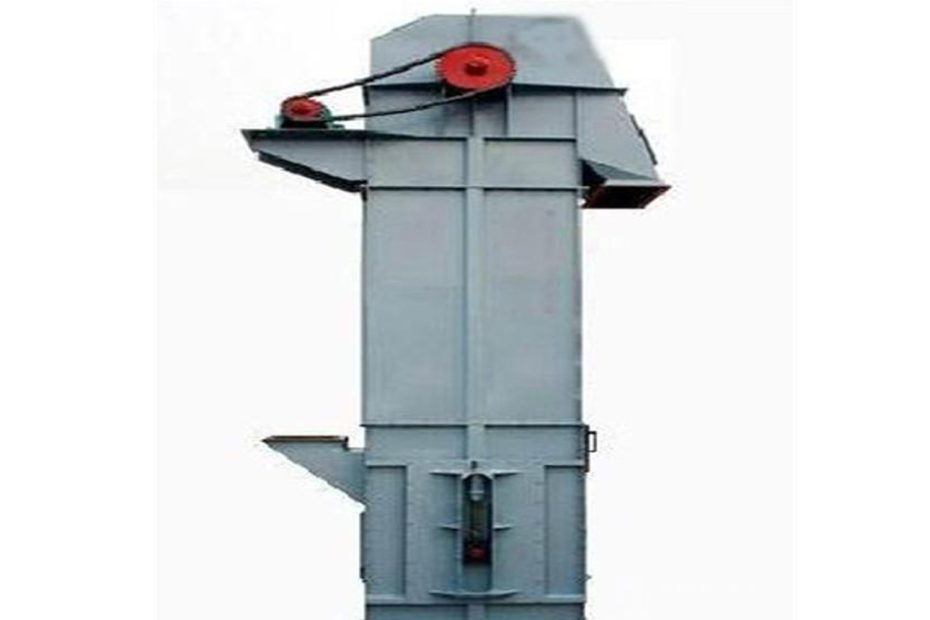
The above mainly introduces the main components such as screw shaft, reducer, inlet and outlet, and intermediate support.